
Roof Ventilation in Carrollton, MI: Ridge Vents, Soffits, and Why “More” Isn’t Always Better
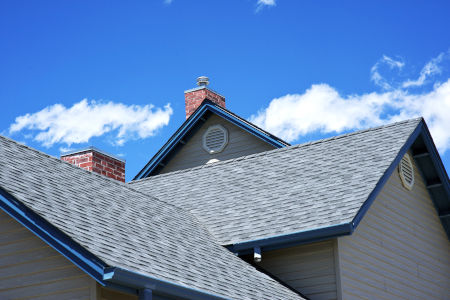
Good roof ventilation in Carrollton, MI keeps your attic dry, your shingles cooler, and your home more comfortable. It is not about stuffing as many vents as possible into a roof. It is about balance. If you want a quick overview of how a pro sets up intake and exhaust for your home, explore our attic ventilation service and see how Yeager Roofing approaches it.
Why Roof Ventilation Matters In Mid-Michigan Homes
Our winters are long and cold. Indoor humidity rises from cooking, showers, and everyday living. That moisture sneaks into the attic. Without steady airflow, it condenses on the roof deck, wets the insulation, and can shorten shingle life over time.
Summer brings sticky heat along the Saginaw River. An overheated attic can radiate warmth back into your rooms and make air conditioners work harder. The right system moves hot air out while pulling cooler air in at the soffits. That steady exchange protects materials and helps stabilize indoor comfort.
How Ridge Vents and Soffit Vents Work Together
Think of your attic like a chimney. Cooler air enters low at the soffits. Warmer air rises and escapes high at the ridge. When both parts are sized and placed correctly, the airflow is smooth and constant.
Ridge vents run the length of the peak to release stale air. Soffit vents sit under the eaves to feed fresh intake air. A professional measures the available opening of each side and designs for a slight favor to intake. That keeps the system from pulling conditioned air from your living space.
The Myth of “More Vents”
More vents are not always better. Too many exhaust vents at different heights can short-circuit the airflow and bring rain or snow inside during wild weather. Mixed systems can compete with each other and reduce performance.
Never mix powered and passive vents without a clear plan from a roofing contractor. A fan can starve ridge vents of air and pull air from your home instead of through the soffits. The result is energy waste and uneven moisture control.
Common Ventilation Mistakes We Find In Carrollton
From Carrollton Township to Kochville and Zilwaukee, we see the same issues repeat. These problems often start small and show up later as stains on ceilings, a musty attic smell, or ice at the eaves.
- Balance intake and exhaust to avoid pressure problems that drag indoor air into the attic.
- Keep soffit vents unblocked. Insulation pushed into the eaves can choke intake and stall the whole system.
- Vent bath and kitchen fans outdoors, not into the attic, to prevent sudden moisture spikes and frost in winter.
- Different exhaust vents installed together, like box vents with a ridge vent, that steal airflow from each other.
Each roof in Bay and Saginaw counties is a little different. Roof pitch, cathedral ceilings, attic partitions, and nearby trees all change how air moves. That is why a one-size-fits-all vent count does not work here.
What a Professional Ventilation Assessment Includes
With Yeager Roofing, the check starts at the soffits. We look for clear intake, add baffles where insulation is tight, and confirm there is a continuous path from the eaves to the ridge. Then we move to the peak to review the ridge vent details and how the shingles lay around it.
Inside the attic, we look for darkened sheathing, rusted nail tips, damp insulation, or signs of frost. We trace bathroom or kitchen fans to verify they discharge outside. We also consider nearby features like valleys and dormers that can change airflow.
Finally, we size intake and exhaust based on roof layout and materials. The goal is a matched system that prefers intake slightly, limits wind-driven rain, and avoids mixing vent types. When we fine-tune that balance, results show up quickly in comfort and material longevity.
Seasonal Problems: Winter Condensation and Summer Heat
In January and February, you might notice tiny frost beads on roof nails if you peek into the attic during a cold snap. That is a sign of trapped moisture. As temperatures rise, that frost melts and may drip onto insulation. Over time this can cause staining on ceilings and reduce insulation performance.
July heat is the opposite challenge. Solar gain turns the attic into a hot box, even near the Saginaw Bay breeze. A proper exhaust path at the ridge pulls that heat out. Intake at the soffits keeps the pressure even so conditioned air is not stolen from your living space.
Ridge Vents, Soffits, and Shingle Life
Shingles wear out faster when they sit on a hot or damp deck. Ventilation helps control both. Cooler attic temperatures reduce thermal cycling that can age asphalt. Dry sheathing resists rot and holds fasteners better over time.
If your roof has heavy tree cover in neighborhoods like Shields or near the Cass River, airflow can be more sensitive to wind direction. A ridge and soffit system still works well, but it needs uninterrupted intake and an open ridge. That is why keeping those soffits clear is so important.
Do You Need To Change Your Current Vents?
Not always. If your roof has box vents and they are working with clear soffit intake, a full change may not be necessary. A pro review looks at performance, not just the vent style. We may recommend small adjustments like adding intake, opening blocked chutes, or capping a conflicting vent at a secondary ridge.
Homeowners sometimes add a powered attic fan to “boost” air. Without careful tuning, that fan may pull air from can lights or gaps in your ceiling rather than through the soffits. That raises energy use and can bring moist indoor air into the attic. When in doubt, keep the system simple and let warm air exit where physics wants it to go: the ridge.
Real-World Signs Your Attic Needs Attention
- Ice along the eaves after a light snow, especially on the north side
- Musty odor in the attic or discolored roof deck
- Uneven indoor temperatures between floors in summer
- Peeling paint at soffits or damp insulation near the eaves
If you notice these, ask Yeager Roofing for a ventilation check. We can confirm whether the issue is airflow, insulation contact, or an exhaust fan routing problem. Many issues come down to the basics: clear intake, continuous channels, and matched exhaust.
How We Fix Ventilation Without Guesswork
First, we verify soffit openings and restore airflow with proper baffles where insulation surfaced into the eaves. Next, we make sure the ridge path is open and consistent across the main roof. If the design calls for it, we retire extra roof vents that fight the ridge.
We also separate moisture sources. Bathroom and kitchen fans get their own exterior vents. Dryer vents remain outside the attic. Small changes like these have a big effect in Carrollton’s freeze-thaw cycle and the summer humidity that comes off Saginaw Bay.
If you want to understand our exact process, take a moment to read about our approach on the roof ventilation page. It explains how intake and exhaust are balanced so the system draws from the soffits and not your living rooms.
Energy, Comfort, and Peace of Mind
Balanced ventilation can support a steadier indoor temperature, quieter HVAC operation, and better air quality. It also helps roof components last longer. Materials simply do better when they stay dry and closer to ambient outdoor temperatures.
For homeowners near Carrollton Middle School or along the river, wind patterns can shift day to day. A well-designed system accounts for gusts, calm days, and seasonal swings. Your roof will breathe in every season when intake and exhaust are aligned.
Talk With a Local Roofing Contractor You Can Trust
If you are comparing options, start at the source. Learn what goes into roof ventilation in Carrollton, MI and why balance beats brute force. Then let a qualified roofing contractor assess your attic and roof as a whole system, not just a count of vents. When you are ready, call Yeager Roofing at 989-401-4772 and schedule a visit.
Your roof should move air quietly, consistently, and safely. If you suspect condensation, ice along the eaves, or a hot upstairs, we are here to help. Book a visit with Yeager Roofing and let us design a matched intake and exhaust plan that fits your home and our Mid-Michigan climate. To get started in Carrollton today, reach out through our ventilation service page or call 989-401-4772.


